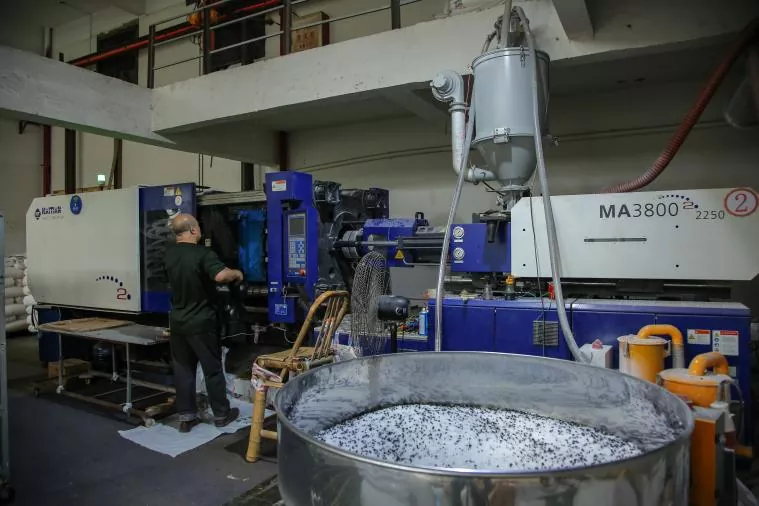
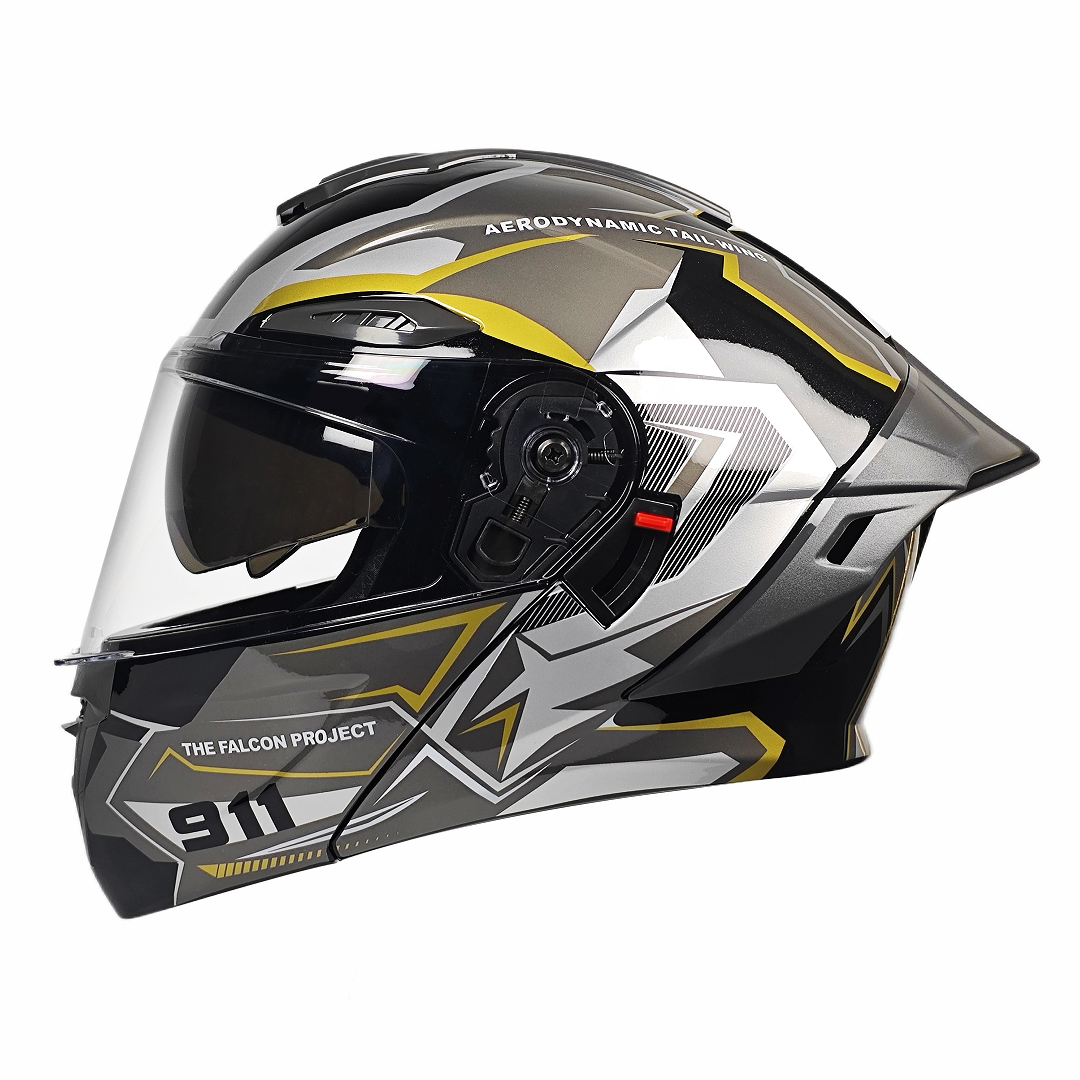
В ходе этой подробной экскурсии по производственной линии мы знакомимся с комплексным автоматизированным процессом производства шлемов из АБС-пластика: от проверки сырья и прецизионного литья под давлением до изготовления подкладки из пенополистирола высокой плотности, обработки поверхности и полного контроля качества. Все шлемы изготовлены из ударопрочного материала ABS с двухслойной защитной структурой, соответствующей основным международным сертификатам безопасности. Мы также предлагаем комплексную OEM-индивидуализацию, охватывающую внешний вид, функциональный дизайн и полный спектр защитного снаряжения для мотоциклов, поддерживая гибкие объемы заказов для мировых брендов, дистрибьюторов и розничных продавцов.
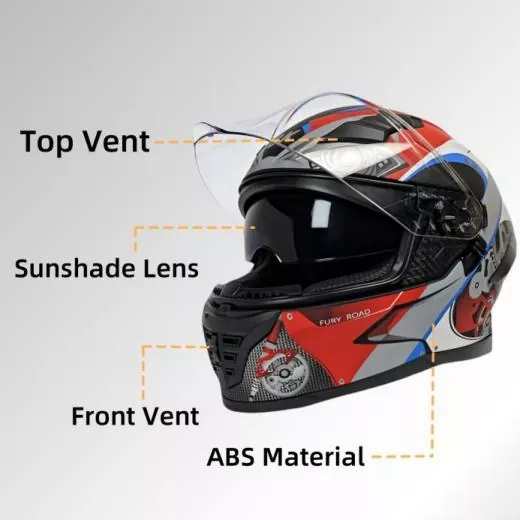
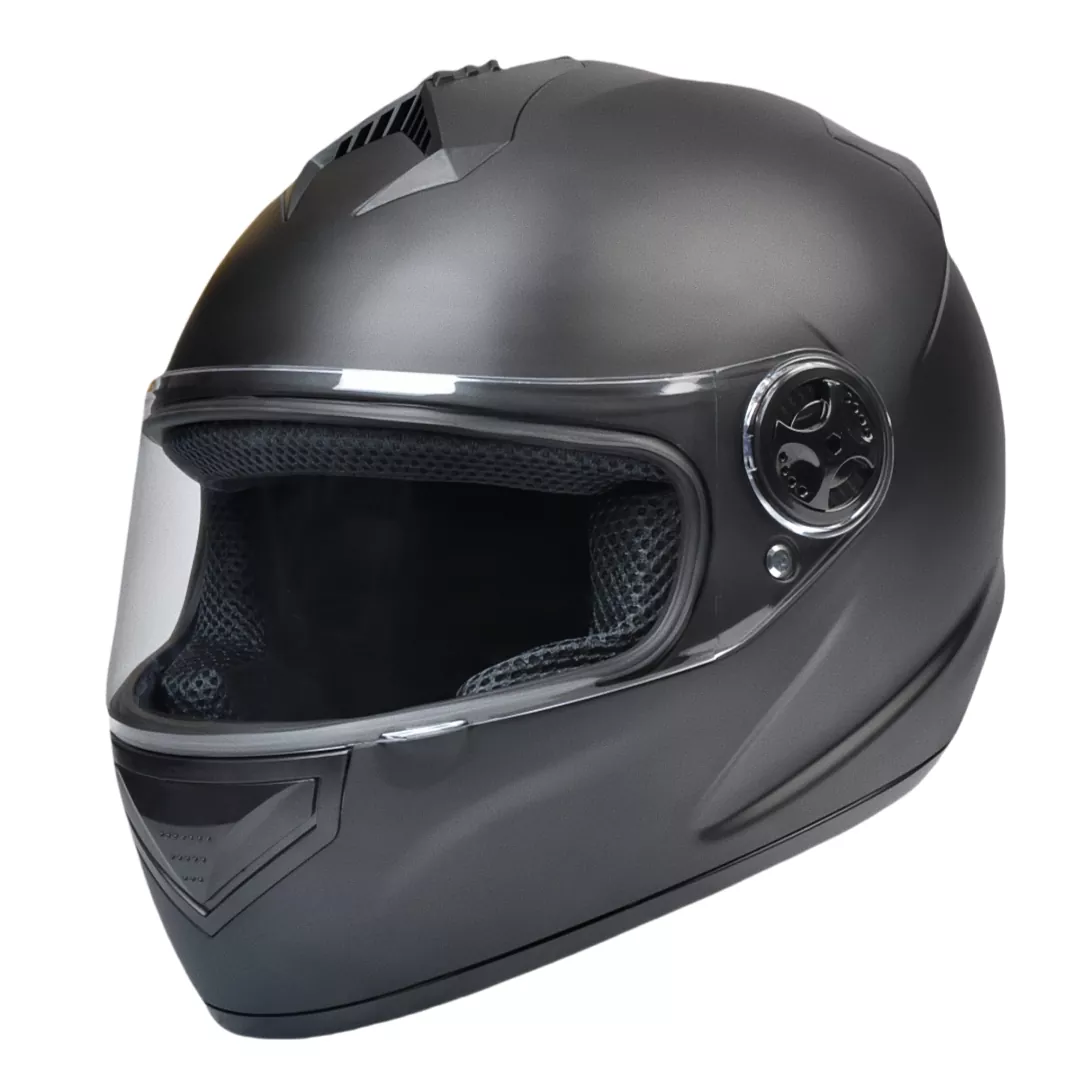
В наших полнолицевых шлемах, соответствующих стандартам GB811-2022 класса A, используется оболочка из АБС-пластика и буфер из пенополистирола для защиты всей головы и подбородка. Они оснащены вентиляцией, противозапотевающими линзами и моющимися подкладками для безопасной и комфортной езды в любых условиях.
Wind noise is the unseen culprit that saps the most energy during long-distance rides. Many cyclists assume that all helmets are equally noisy, but in reality, the level of wind noise control is a key indicator of a helmet's engineering design. This article breaks down the sources of helmet wind noise, the differences in noise levels between various helmet styles, and how to assess a helmet's noise-reduction performance when making a purchase.
That low-angle sun during the morning and evening grind doesn't just bug you—it's a genuine hazard that city riders quickly come to dread. Dual visor helmets were pretty much born to handle this exact headache. Tucked inside the shell is a drop-down tinted visor you can snap into place in a split second, no messing around with swapping out your clear shield at the side of the road. But it's not a perfect fix without trade-offs; you gain quick sun-blocking at the cost of a little extra weight, more complexity, and a potential fog-prone gap between the two visors. This article breaks down the pros and cons of dual visor systems, compares them with photochromic visors, and identifies which riders truly need to pay for this feature.
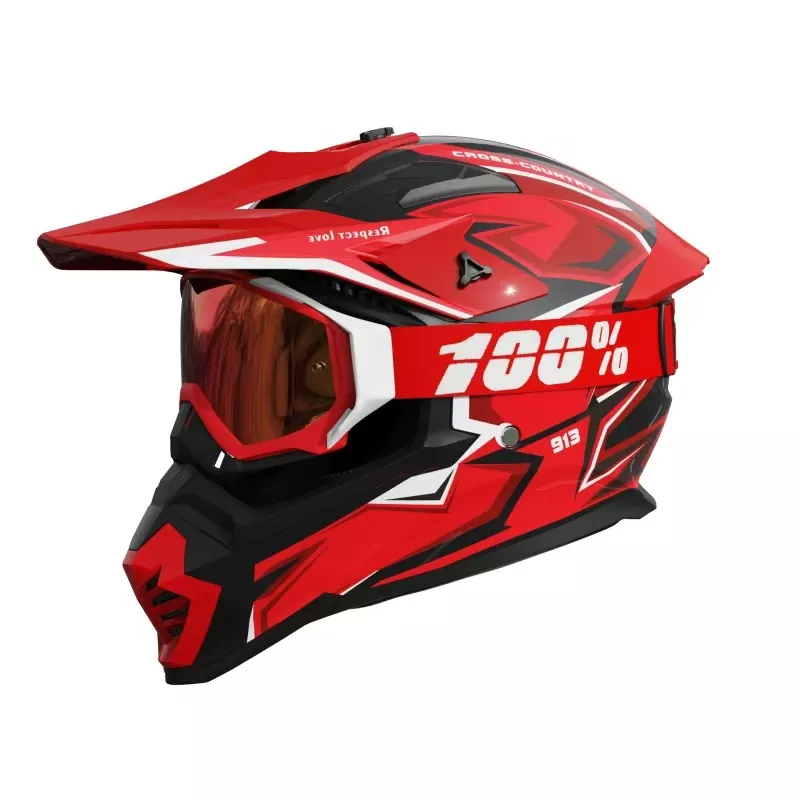
Plenty of riders get stuck on the same question: can you just grab an Off-Road Helmet and use it as a cycling helmet, or the other way around? The short answer is—no, you really can’t. The two come from completely different design philosophies, right down to the root. How they think about ventilation, where they put their protection priorities, how they handle your field of view—every single detail has the DNA of its intended riding environment baked right in. This article is going to pull apart the core differences between these two helmet types, so you can see for yourself why the whole “one helmet for everything” idea rarely turns out to be a smart move in the real world.
With a riding jacket, you can actually see when it's starting to give up—frayed stitching, faded panels, a zipper that's seen better days. Helmets don't give you that courtesy. Their decline is sneaky; it creeps up on you from the inside. That foam liner that's supposed to cradle your head? Over time it slowly loses its spring, packing down and getting less responsive. Meanwhile, the shell itself is taking a quiet beating from everyday UV exposure, baking in the sun bit by bit until the material's toughness isn't what it used to be. In this article, we'll lay out how long a helmet realistically lasts, spell out the warning signs that mean you need to retire it on the spot, and shine a light on all those harmless-looking storage habits that are silently eating away at its useful life.
Мы используем файлы cookie, чтобы предложить вам лучший опыт просмотра, анализировать трафик сайта и персонализировать контент. Используя этот сайт, вы соглашаетесь на использование нами файлов cookie.политика конфиденциальности


 01 2026-07
  12 2026-06
  22 2026-05
  15 2026-05
  15 2026-05