Будьте в курсе последних новостей компании BK Helmet, новинок, тенденций индустрии мотоциклетных шлемов, обновлений международных стандартов безопасности и анонсов глобальных выставок.
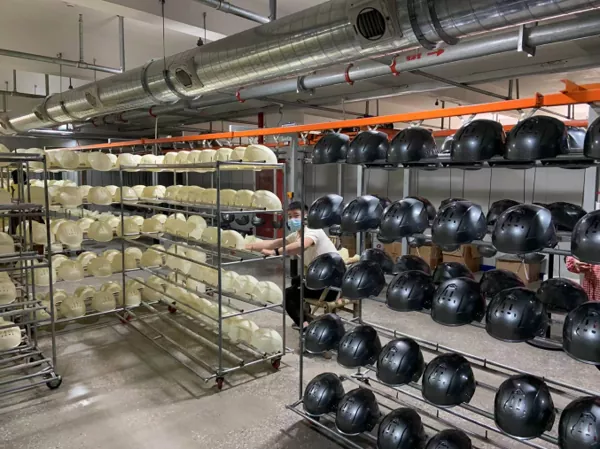
В этом тексте описан строгий процесс тестирования гоночных шлемов: каждая партия проходит всестороннюю оценку, включая испытания на удар в различных точках, а также оценку корпуса, подкладки, козырька и системы крепления, после чего проводится ручной осмотр каждого отдельного шлема перед его упаковкой. Основной вывод заключается в том, что истинная надежность шлема заключается не в его внешнем виде, а в невидимых процедурах тестирования и контроля качества.
Завод занимается нанесением покрытий против царапин и запотевания для козырьков шлемов самостоятельно, а не передает этот процесс сторонним организациям. Твердое покрытие, защищающее от царапин, уменьшает царапины, помутнение и блики, тем самым продлевая срок службы козырьков. Противотуманное покрытие должно быть прочно прикреплено к поверхности — простого нанесения его на поверхностный слой недостаточно и это приведет к быстрому выходу из строя. На заводе ежедневно проводятся ручные тесты на выдыхание отобранных единиц продукции; хотя этот метод требует много времени, он позволяет на ранней стадии обнаружить и отбраковать некачественные партии. Оба покрытия входят в стандартную комплектацию всех козырьков, покидающих завод, что является решающим фактором для долгосрочной удовлетворенности пользователей и репутации бренда, и завод полностью готов предоставить клиентам подробные характеристики этих покрытий.
В этой статье представлены услуги OEM-индивидуализации под собственной торговой маркой, предлагаемые производителем шлемов. Клиентам не нужно разрабатывать продукты с нуля; они просто выбирают из сертифицированных моделей, в то время как производитель занимается деталями брендинга, такими как индивидуальная упаковка, маркировка картонных коробок, наклейки на корпусе, брендинг внутренней подкладки и этикетки на ремнях.
Эта статья основана на наших внутренних производственных записях, контрольных списках контроля качества и сторонних отчетах об испытаниях. Он предназначен для покупателей B2B, оценивающих партнеров-производителей шлемов. Это не совет по безопасности. Требования к шлему различаются в зависимости от модели и рынка назначения.
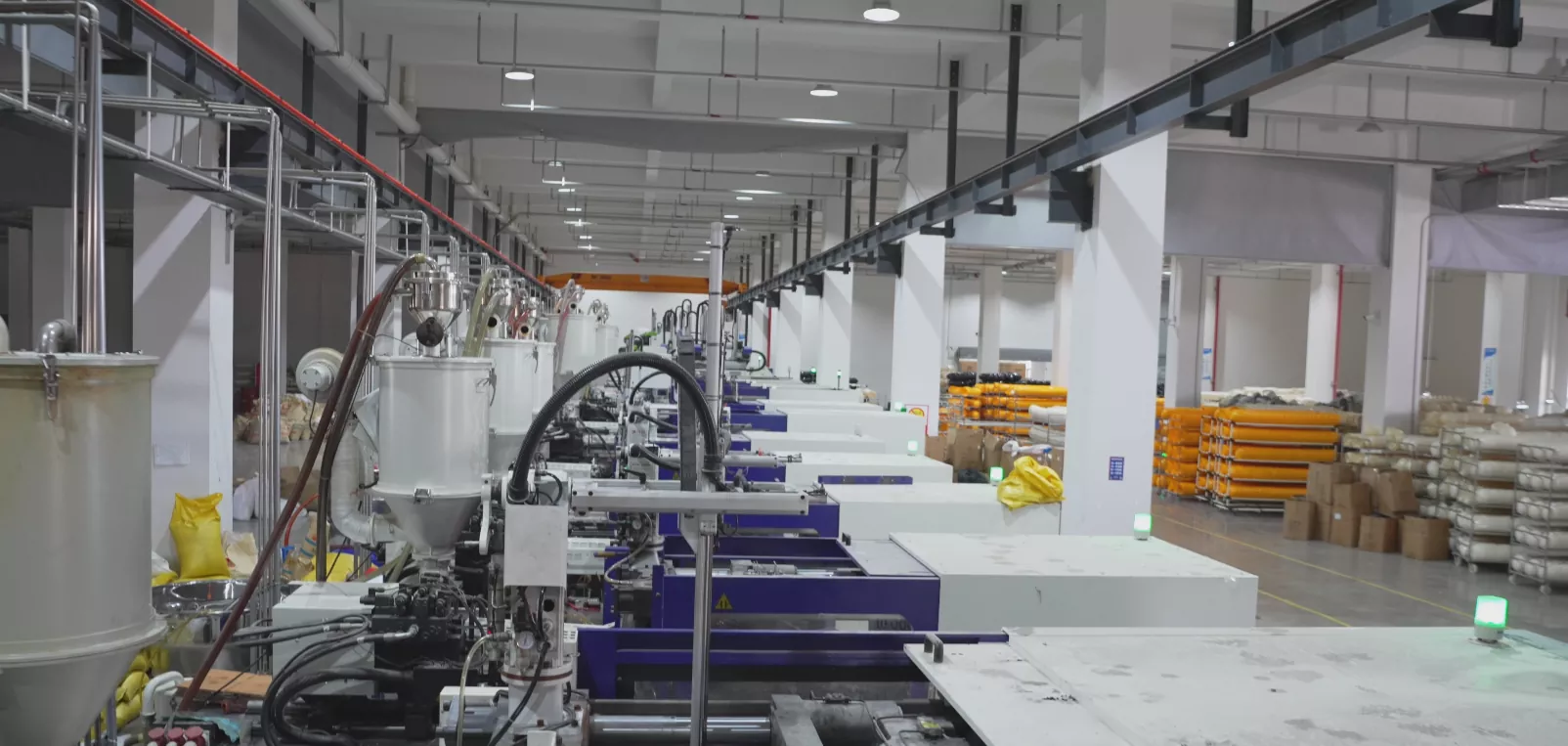
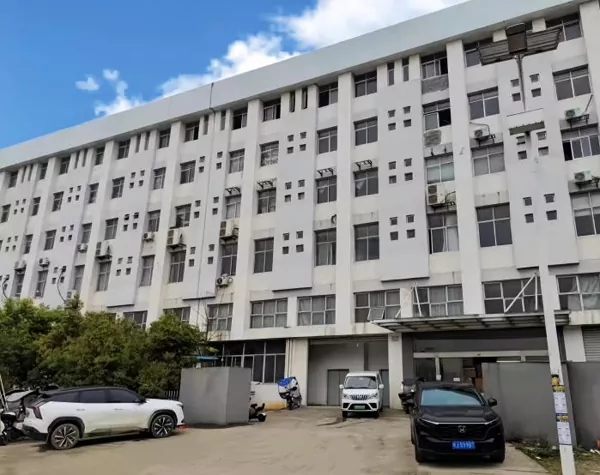
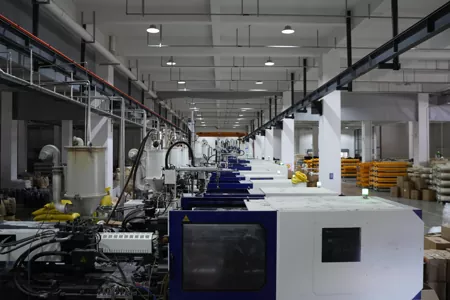
Наш профессиональный завод по производству шлемов завершил полную модернизацию основных производственных линий, чтобы удовлетворить растущий мировой спрос на мотоциклетные шлемы по индивидуальному заказу и предложить улучшенные услуги OEM и ODM для международных клиентов. В этом обновлении мы сосредоточили внимание на скорости производства, стабильном качестве продукции и гибкой настройке. Теперь мы хорошо подготовлены к крупным оптовым заказам и разнообразным индивидуальным проектам от мировых дистрибьюторов, брендов и розничных продавцов.
Постоянное качество имеет важное значение при покупке мотоциклетных шлемов оптом. Для дистрибьюторов, оптовиков и мотоциклетных брендов дело не только в том, как выглядят шлемы — безопасность, производительность и стабильность качества от партии к партии имеют не меньшее значение. Вот почему мы используем проверки AQL (приемлемый уровень качества) при выполнении наших производственных заказов. Прежде чем шлемы покинут наш завод, мы проверяем их на соответствие согласованным требованиям к качеству и спецификациям клиентов, чтобы убедиться, что каждая партия соответствует требуемым стандартам. Наша цель проста: поддерживать стабильное качество от первой партии к следующей, чтобы наши клиенты могли делать заказы с уверенностью и строить с нами долгосрочный бизнес.
Мы используем файлы cookie, чтобы предложить вам лучший опыт просмотра, анализировать трафик сайта и персонализировать контент. Используя этот сайт, вы соглашаетесь на использование нами файлов cookie. политика конфиденциальности


 19 2026-10
  16 2026-10
  10 2026-10
  09 2026-10
  30 2026-09
  30 2026-09